

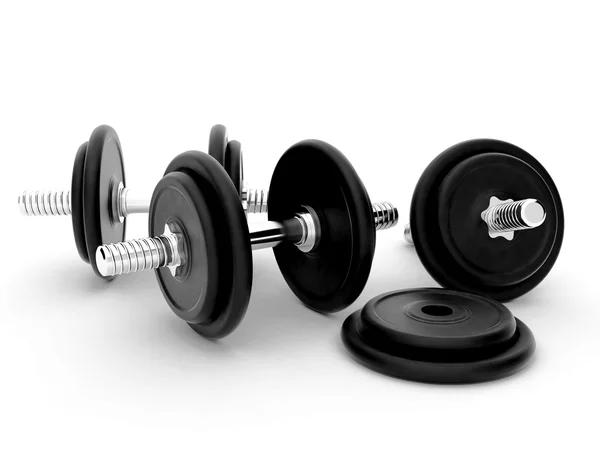
Crafting Your Own Fitness Journey: The Homemade Dumbbells Adventure
A recent piece on a website about homemade dumbbells got the wheels in motion for a deeper dive into the world of DIY fitness equipment. With the rise of at-home workouts, the creativity in making one’s own gym gear has become more popular than ever. For those who have taken to treadmill running apps and home workouts, adding homemade dumbbells to their routine can be a game-changer.
The Allure of DIY Dumbbells
Creating your own set of dumbbells offers not only a cost-effective alternative to purchasing expensive equipment but also a personalized touch to your fitness journey. DIY dumbbells can be made from everyday materials like water bottles filled with sand or concrete molds. This approach is not just about saving money; it’s about crafting a workout tool that matches your specific needs and preferences.
Weighing Dumbbell Squats Against Barbell Squats
When considering the effectiveness of dumbbell squats versus barbell squats, it’s essential to understand the different benefits each offers. Dumbbell squats can enhance balance and coordination, as each hand independently maintains weight. Moreover, they allow for a greater range of motion, which can lead to improved muscle engagement. On the other hand, barbell squats enable the athlete to lift heavier weights, which is ideal for those looking to build significant strength.
Integrating Treadmill Running Apps
For those who have embraced treadmill workouts, the inclusion of a treadmill running app can amplify the experience. These apps often offer structured training plans, virtual running partners, and real-time feedback, making treadmill runs more engaging and effective. By combining this with strength training using homemade dumbbells, individuals can achieve a well-rounded fitness regimen that addresses both cardiovascular health and muscle conditioning.
Making Your Own Dumbbells: A Step-by-Step Guide
Creating your own dumbbells can be a straightforward process. Start by selecting a sturdy material for the weight, such as sand, concrete, or even water. For beginners, filling empty plastic bottles with sand is a simple and effective method. For those seeking heavier weights, casting concrete into molds shaped like traditional dumbbells can be an exciting weekend project. Ensure that the handles are comfortable and secure to prevent any injury during workouts.
What to Keep in Mind Next
As you embark on the journey of creating and using homemade dumbbells, remember that safety should always be a priority. Ensure that the materials used are durable and that the weights are balanced and securely fastened. Whether integrating these into a regimen of treadmill running apps or comparing dumbbell squats with barbell squats, the key is to keep experimenting while listening to your body’s needs. Embrace the uniqueness of your DIY fitness gear and let it fuel your path to a stronger, healthier you.